Penne

Penne

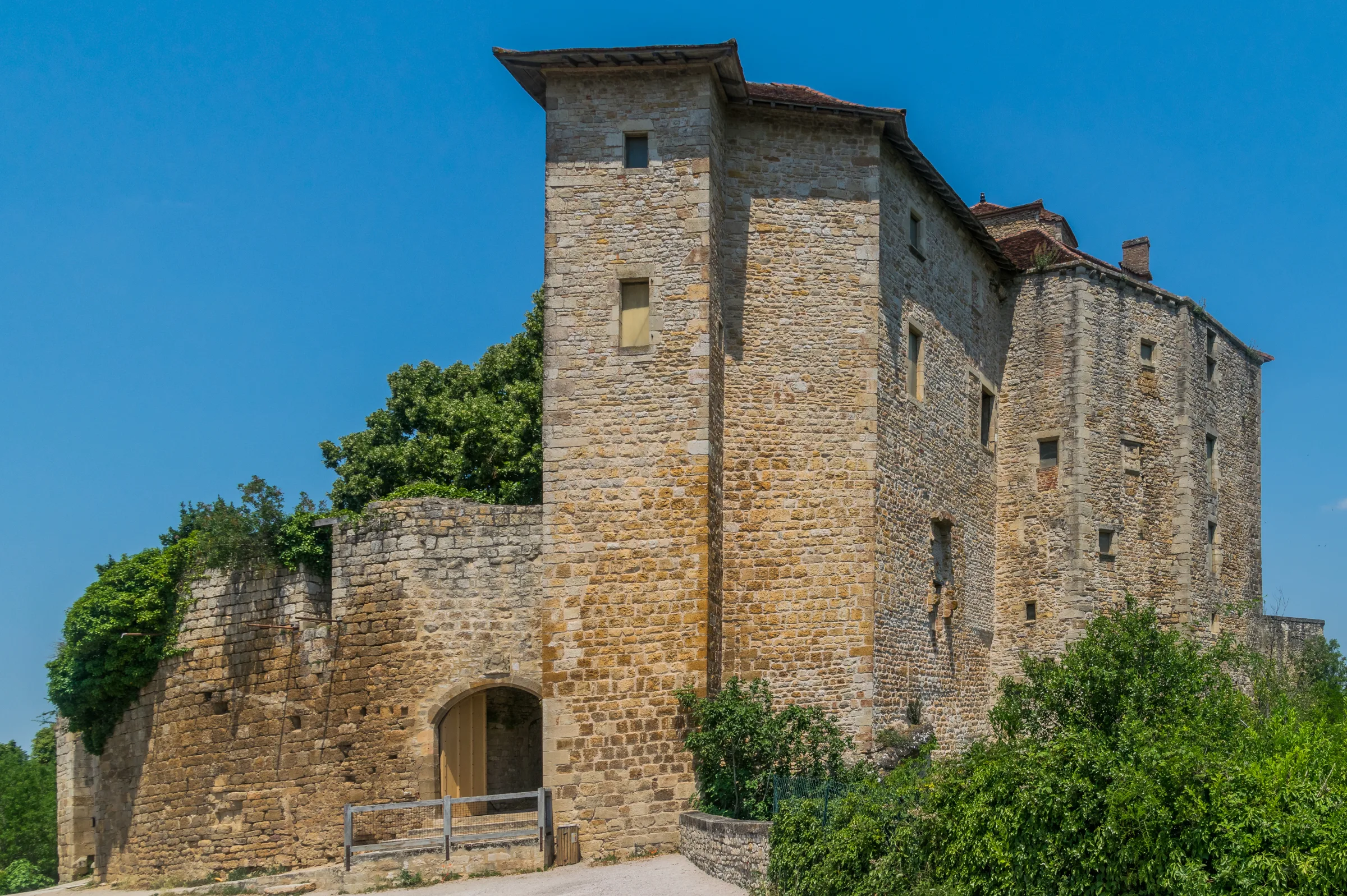
Penne, set on a hilltop crowned by an imposing fortress, was founded in 1109 by the viscount of Albi. Around 1140 the Templars held property in the village. Penne lies beside the Forêt de Grésigne, with the river Aveyron flowing past it.

Narrow streets lead you up to the castle. It was already mentioned in 825, during a visit to the valley by Pepin, king of Aquitaine. Although it is not certain that the castle belonged to the Templars, its owners are known to have sympathised with the order — they protected the valley road leading to Montricoux.

The castle has been undergoing restoration since 2009.

On the first weekend of August the village holds its Fête Médiévale (medieval festival).
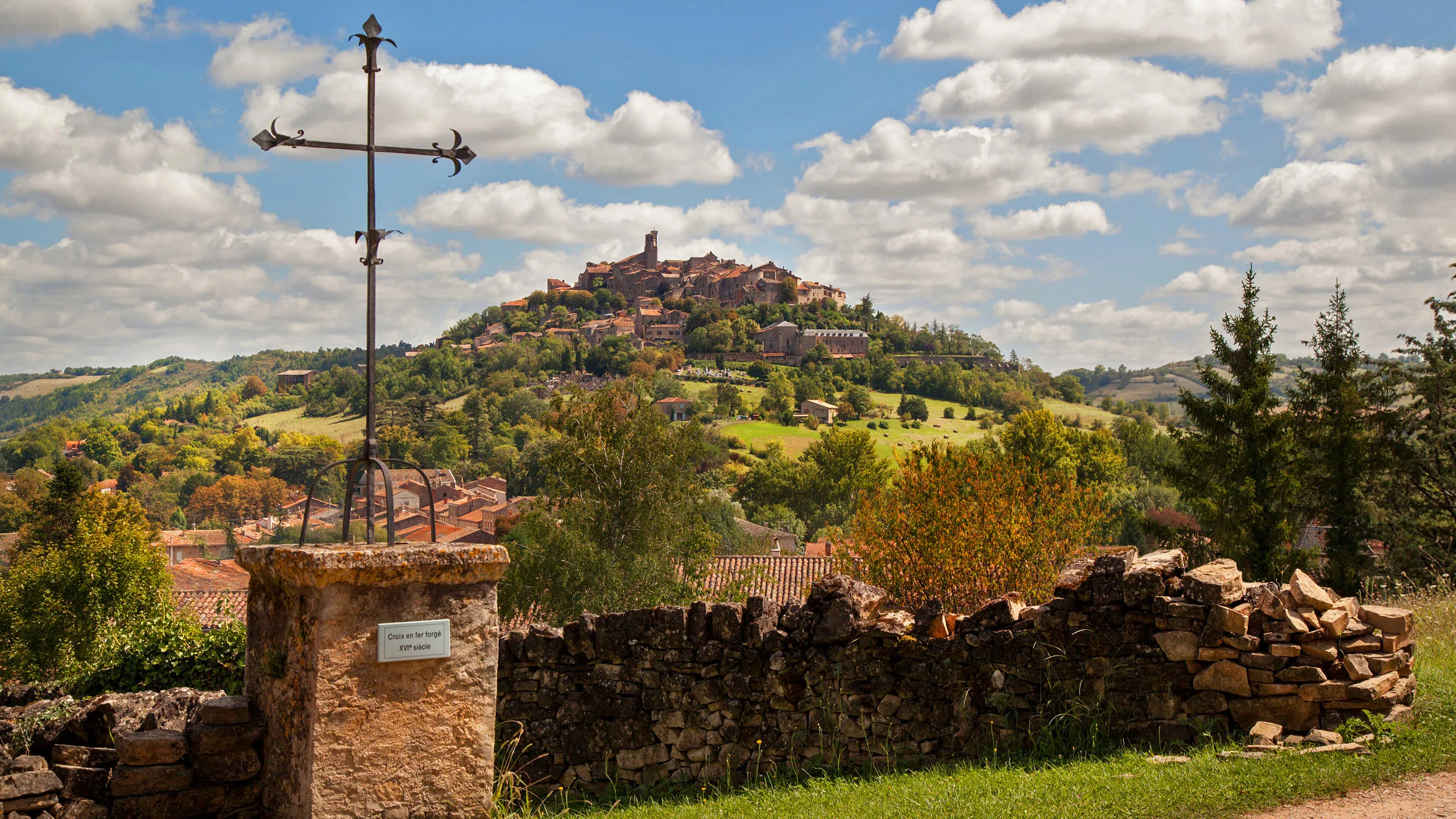
Photo: Tarn Tourisme

Cordes-sur-Ciel

Cordes-sur-Ciel

Cordes-sur-Ciel was founded in 1222 by Count Raymond VII of Toulouse as a refuge for the region's Cathars. It is a stopping point on the pilgrimage route to Compostela. Until 1993 the village was simply called "Cordes", and in Occitan it is known as "Còrdas". In 2014 it was voted France's Favourite Village.

Park your car down in the village or at the free P1 car park and walk up through the steep lanes. The old centre is very much geared to visitors, with plenty of charming shops, bars and restaurants. If you would rather not walk up, you can take the little tourist train or drive up and park at the top.

Each year around 14 July, during the Fêtes Médiévales, Cordes is transformed into a medieval village: the inhabitants dress in period costume, with song and dance from the era.

Villefranche de Rouergue

Villefranche de Rouergue

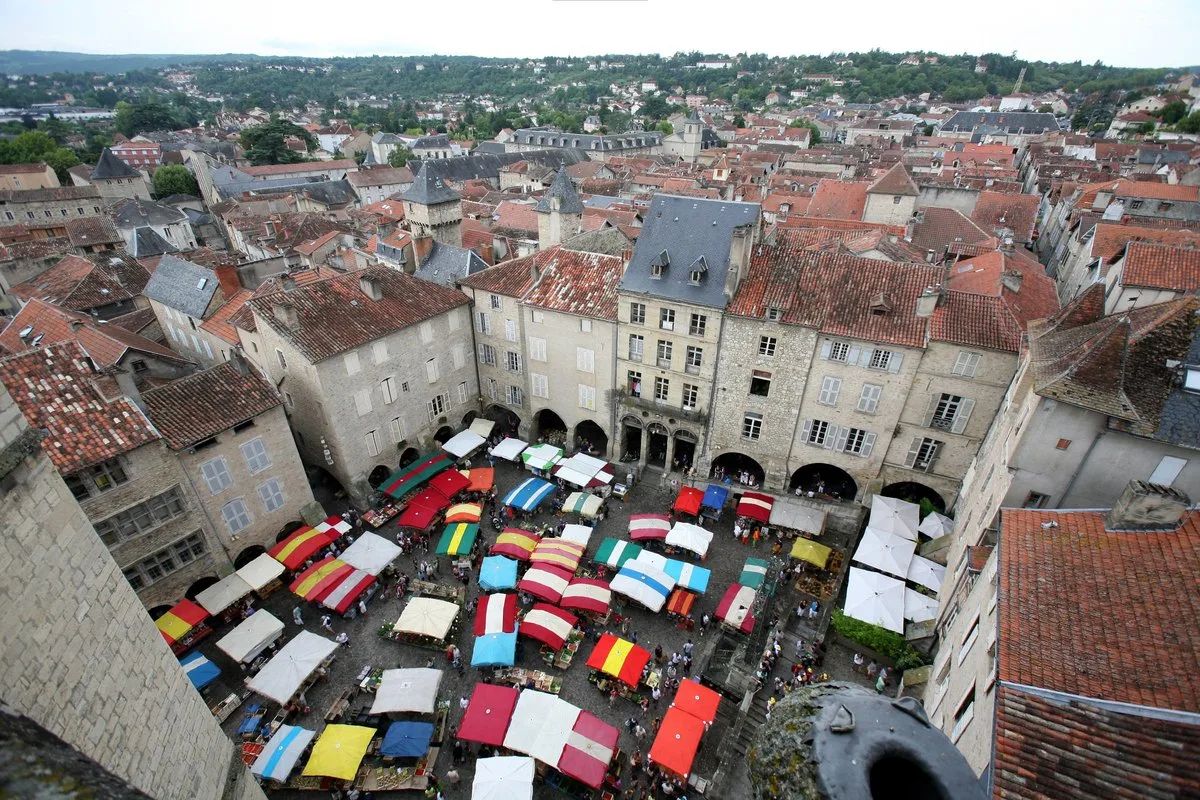
Villefranche is at heart a fine bastide town, laid out as a grid of small straight streets dividing the houses into perfect squares. At the centre of the old bastide stands the 14th-century church with its 58-metre bell tower. In front of it lies the Place Notre-Dame, host to a lively market every Thursday morning.

Saint-Antonin

Saint-Antonin

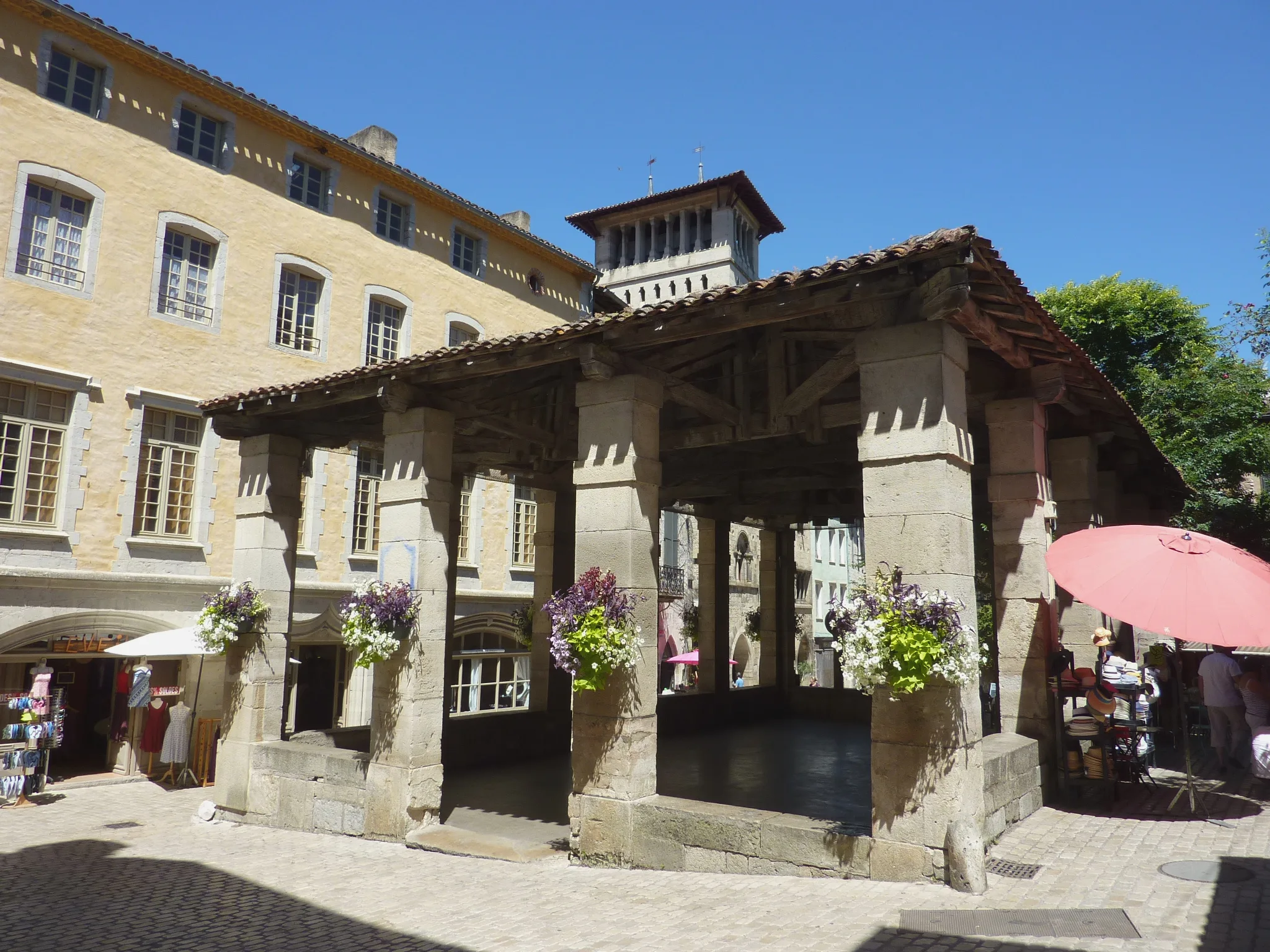
In the heart of the Gorges de l'Aveyron lies the medieval town of Saint-Antonin-Noble-Val, witness to twelve centuries of history. The old town — a cluster of ancient houses woven together by a fully preserved network of narrow, winding lanes — hides bricked-up or stained-glass windows, Gothic and Romanesque arches framing old doorways, and traces of former shops.

On Sunday mornings there is a popular market, much frequented by tourists in summer too.

Gaillac

Gaillac

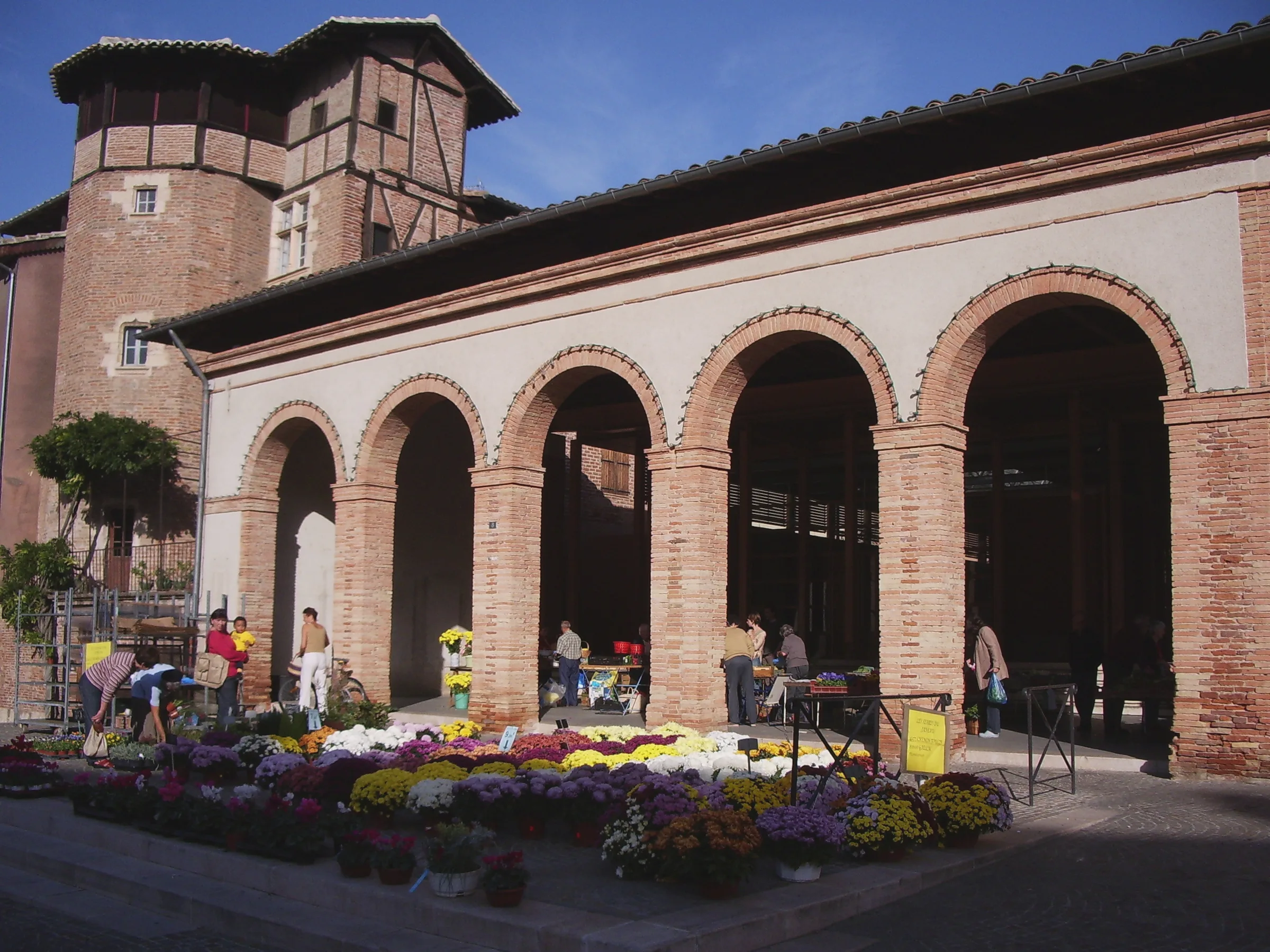
Gaillac owes its name to the vineyards that surround it, and the reputation of its wines is widely known.

Visit its many monuments (the Abbey of Saint-Michel, the Church of Saint-Pierre, the Place du Griffoul, the Yversen and Pierre de Brens mansions, the Château-Musée des Beaux-Arts de Foucaud, and more), as well as the parks and lively streets of Gaillac.

In summer there are countless music festivals and celebrations, with wine houses and food trucks.

Albi

Albi

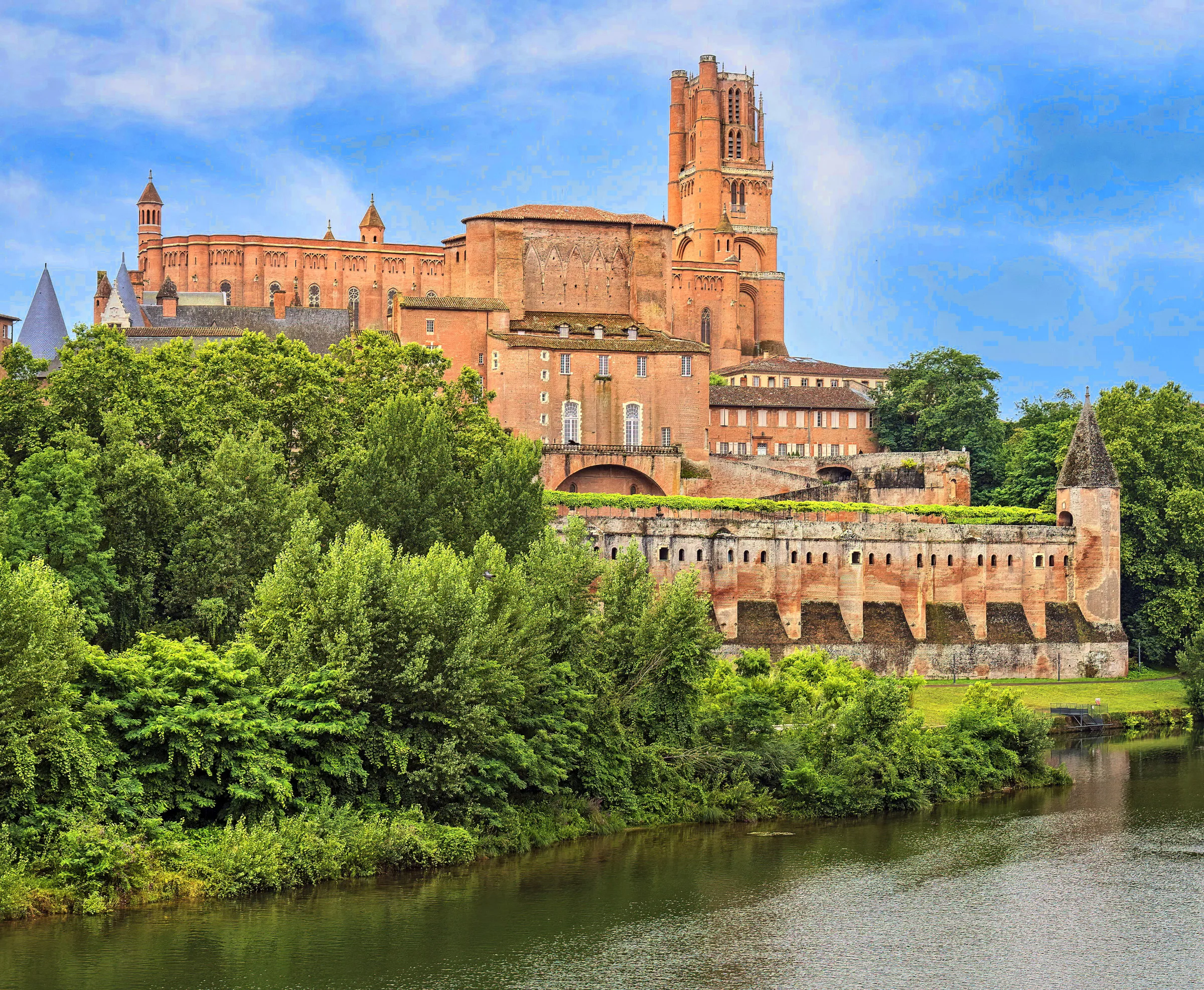
Stroll the pedestrian streets or take a boat trip to discover Albi from the river. Visit the imposing Sainte-Cécile cathedral, the gardens of the Berbie episcopal palace, the cloister garden of Saint-Salvi, and the famous Toulouse-Lautrec museum. Walk over the 11th-century Pont-Vieux or along the banks of the Tarn.

The cathedral is unmissable — the largest brick cathedral in the world, 113 metres long with walls more than 40 metres high and a 78-metre bell tower. Outside it looks like a fortress; inside it’s a richly painted palace with over 18,500 m² of frescos, including the largest 15th-century Last Judgement. You can hear the great 18th-century organ at Sunday Mass at 11:00 or 18:00.

Bruniquel

Bruniquel

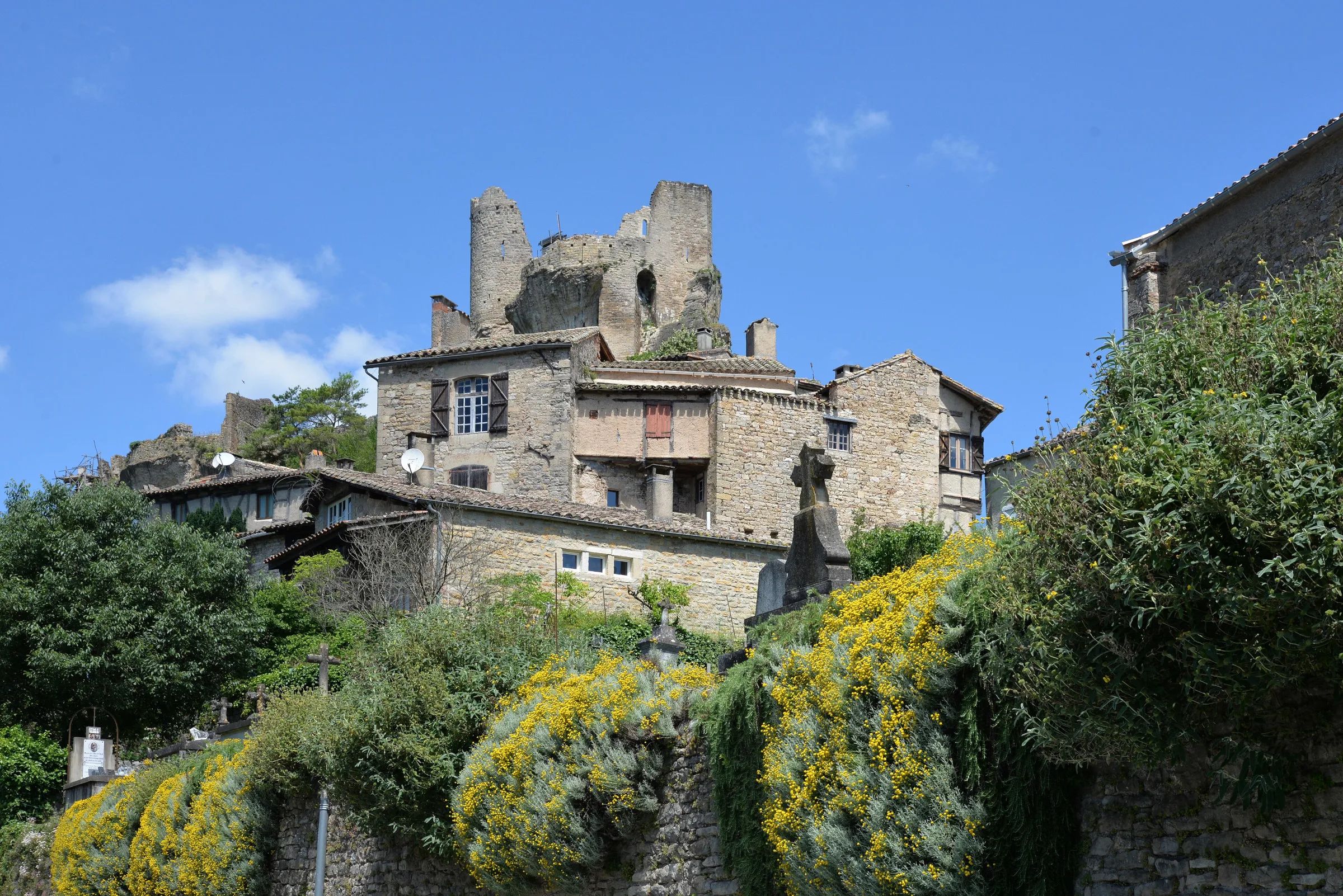
Bruniquel is officially one of the “most beautiful villages of France”. Two castles sit side by side at the top of the village; one served as a location for the film Le Vieux Fusil. Wander the medieval streets, visit the castles, and enjoy the panoramic views over the Aveyron gorges.

Najac

Najac

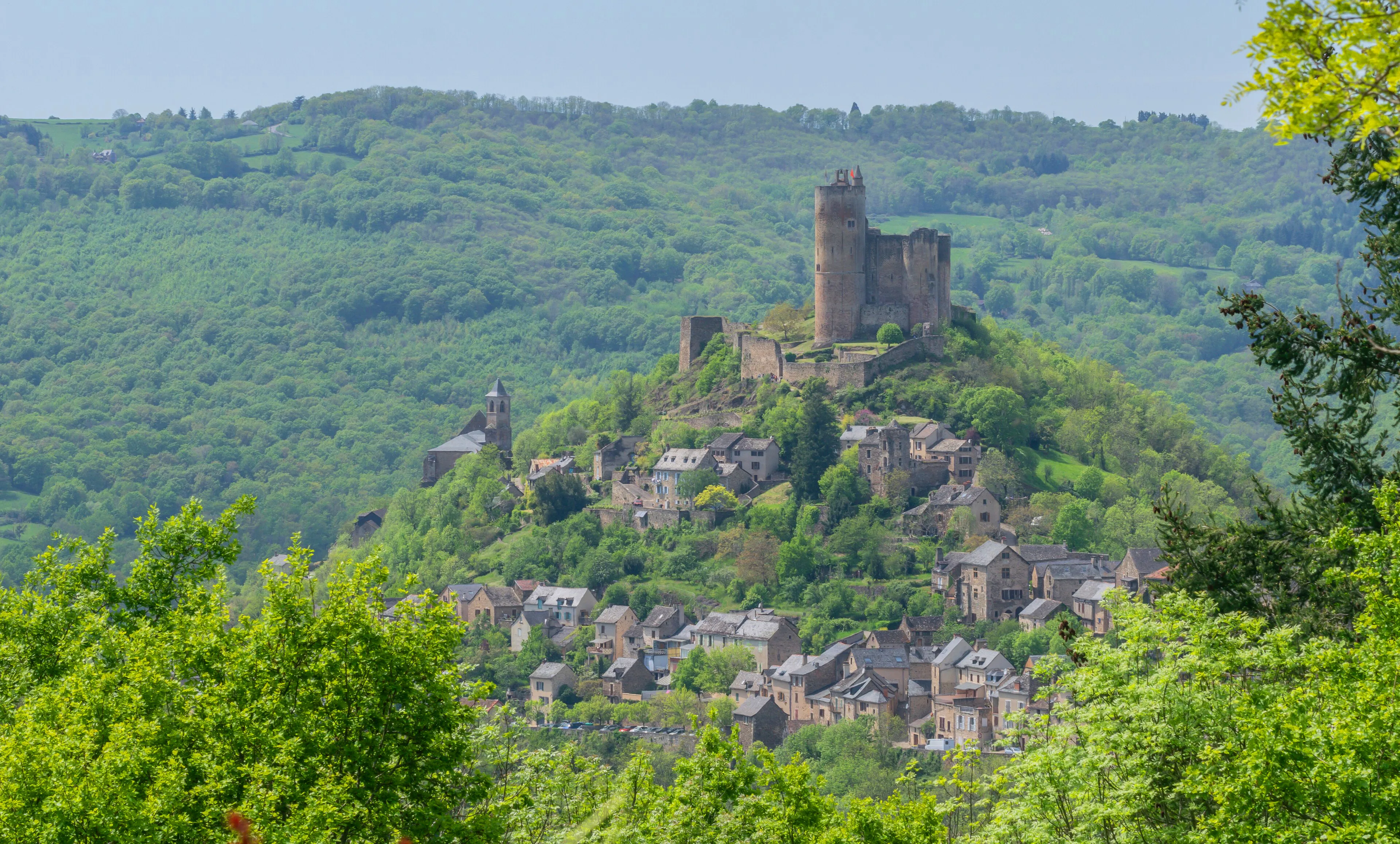
Najac sits along a narrow ridge above the Aveyron, dominated by a striking 13th-century royal fortress. The village stretches along a single main street with arcaded houses, and the views from the castle are extraordinary. Saturday market and a lovely setting for a long lunch.

Toulouse

Toulouse

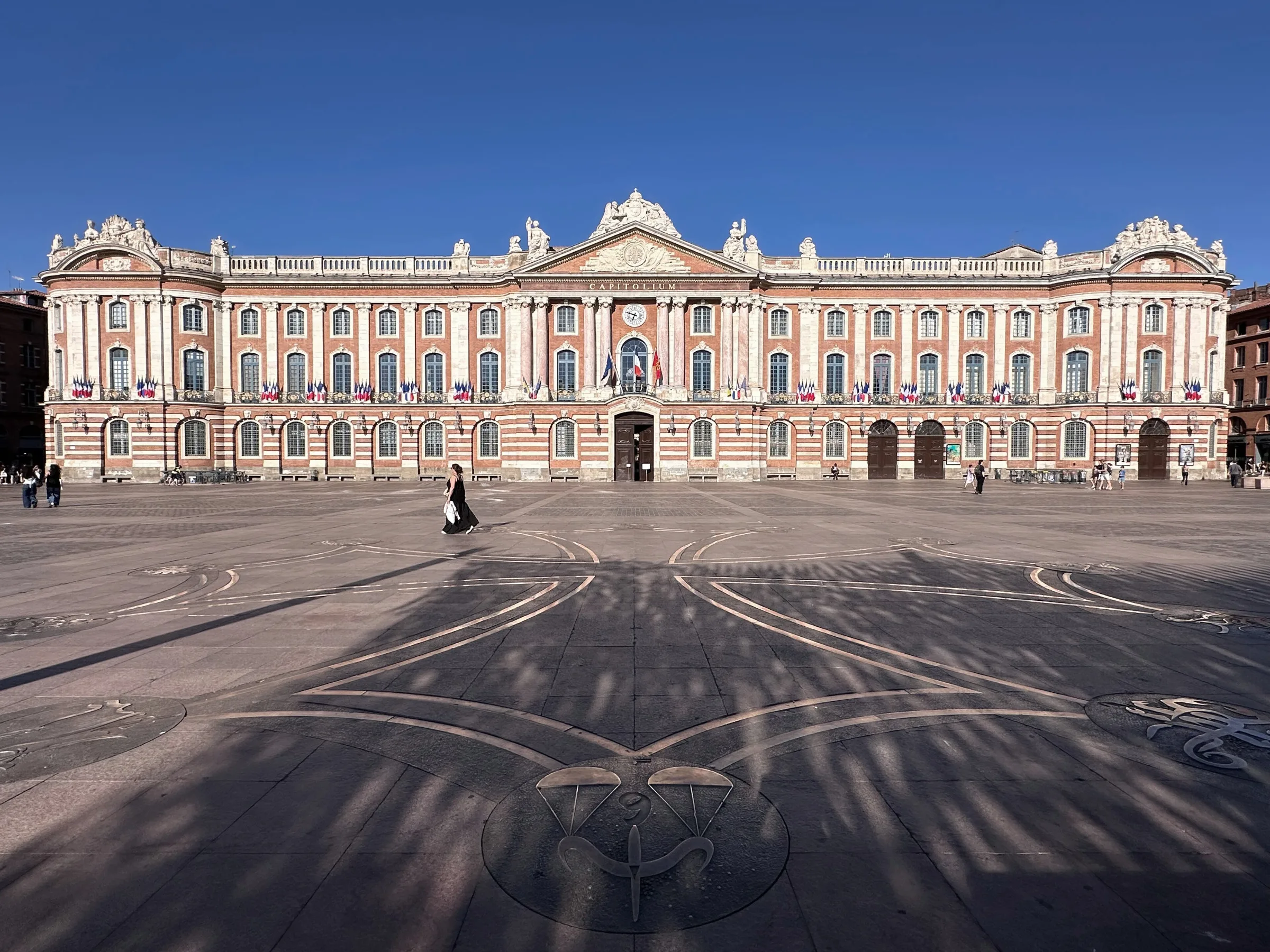
Toulouse, the “Pink City”, is 90 km from Les Fontanelles. A train from nearby Vindrac brings you into the heart of the city in about an hour. Toulouse is known for its distinctive pink-brick architecture, narrow welcoming streets, and the banks of the Garonne. Worth a full day.